
I’ve learned a lot of things during my public school teaching career. What we adults perceive in our kids as a hatred of reading may in fact be something else that seems too simple to be true.
Here are some musings from a regular teacher on the front lines that will hopefully shed some light on what might be turning your kids off to reading.
Reflection #1: Many people believe that their kids genuinely hate reading.
Some will not pick up a book to save their lives, no matter how much you nag them or beg them. Clearly, this means the child hates reading and will never read anything. Right?
Not necessarily.
Let’s delve into two case studies of “non-readers” out in the “real world” who are doing just fine.
EXAMPLE 1:
THE SELF-TAUGHT TECH GURU
My husband was born with ADHD and is one of the smartest people I’ve ever known in my life. If you were to ask him directly, he’ll tell you he doesn’t consider himself a reader. (Especially considering the book dragon he married.)
However, I have watched him, and I can tell you that I know better than that.
My husband is not a reader – unless it is something he is interested in. There have been SO MANY times I’ve sat back and watched this self-proclaimed non-reader take in article after article on his phone or iPad…on topics he likes. 99% of what he reads is related to technology – he very often reads and shares articles with me about what’s popular on the market today, social and ethical hacking, cybersecurity, artificial intelligence, and even the latest upgrades to major brands like Microsoft, Apple, and Google. I’ve learned a lot from him!
If you were to ask him about what school was like growing up, it was not great for him, with the exception of only ONE teacher who he actually had a positive experience with. The Christian private school he attended had its merits, but it also left a lot to be desired as far as his educational experience, sadly.
What was the turning point for him? PawPaw, his grandfather, was involved in his education – he would ask questions on what he learned in school every day and also taught him to go back and read before and after any biblical excerpt to gain the full context.
Now, almost two decades later, my husband is still an amazing source of information on the Bible, having large chunks of it memorized and an understanding deep enough to go into the highest levels of thinking on Bloom’s Taxonomy – taking evidence from the text and using it to make compelling and creative points nobody ever really thought of before for the sake of a fun debate. (I love when my students do this!)
It wasn’t the school that magically bestowed all this information on him – it was the support of his PawPaw and that one kind teacher that lit a fire in him that still burns today.
By the way – no college degree, either – he’s self taught and has worked as an indispensable part of an amazing tech company for over 10 years. (Non-readers are not exactly known for this, just saying.)
Example 2:
THE “NON-READER” WITH STRONG ELA SKILLS
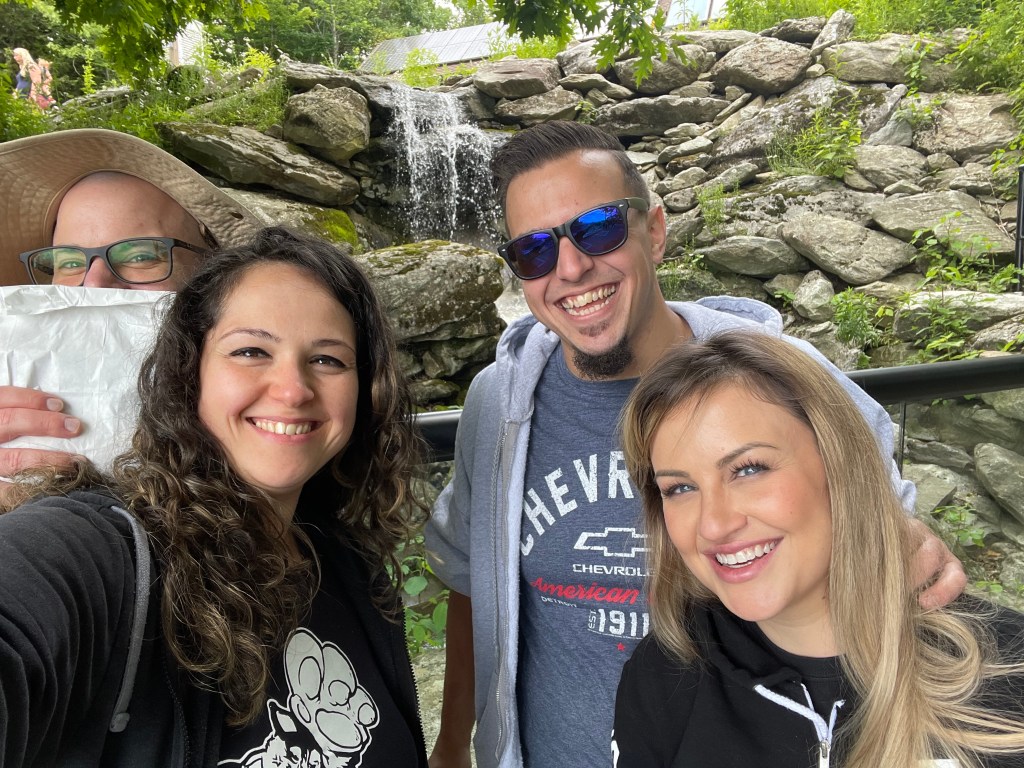
My brother is also a person who considers himself a non-reader, yet has one of the most gifted handles on imagery and figurative language I’ve ever seen, even as an instructor. Using it in his own way, he crafts elaborate and hilarious roasts and can tell a story with expert nuance, pacing, and tone. I have told him to consider trying his hand at comedy.
By the way – he also earned his Contractor’s license in glass and glazing through grit and hard work – also self-taught – also without a college degree. (I guess I’m just bragging on my family now, haha.)
How does a supposed non-reader attain this strong grip on English Language Arts?
When we were growing up (in the Stone Age before cell phones and the Internet), my mom turned the bathroom into a library and filled it with books on cars, trains, and world history – she was sure to include a heaping helping of Garfield comic books, too.
We spent our childhoods reading and didn’t even notice.
What’s the common denominator here? I think you have probably figured it out: family involvement. Not fancy degrees or certifications.
Reflection #2: When it comes to our desire to help our kids succeed, we often focus on the wrong thing.
If we focus only on students’ negative (and perfectly understandable) reactions to boring content, we completely remove the joy from learning.
Let’s start paying attention to what they’re actually into, and provide them with reading material on it. (This applies quite neatly to the classroom setting, too!)
How do we know what they’re into? The best person to gain information from about your middle schooler is your middle schooler.
Have some compassion.
❌ Making someone read for the sake of reading (unless they like it) is awful.
❌ Making someone read for the sake of passing a test is even worse.
☠️ I’ve taken classes that had me read books so boring, I melted right into the carpet. I still need to have some of the fibers surgically removed.
If we were to get to the conclusion of the whole matter, this is it:
1. Boredom comes from a lack of meaningful action.
2. Boredom has a devastating impact on student learning.
3. If there’s no meaningful learning, nothing will stick.
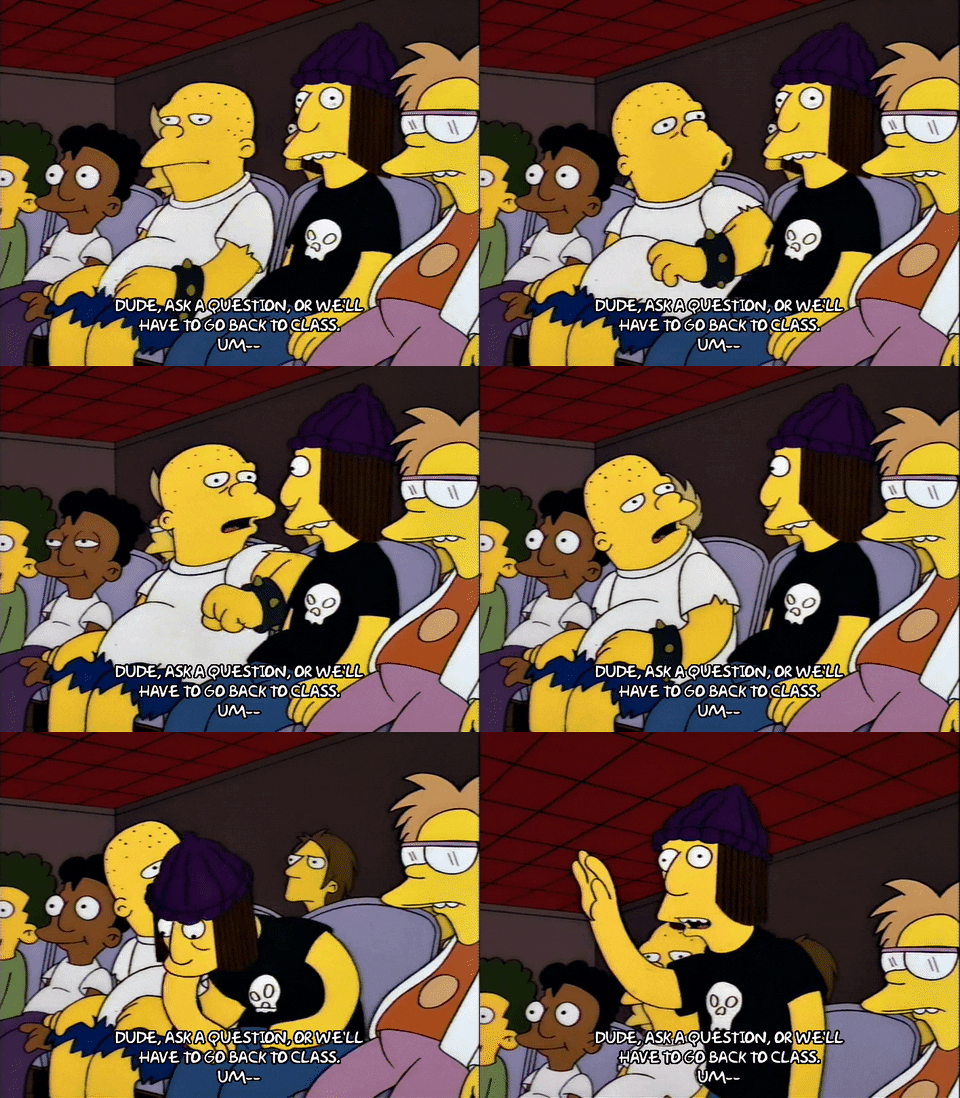
When kids are subjected to activities and texts they perceive as meaningless over and over again, they will make the logical assumption that all reading and language arts activities are equally meaningless, and the spark dies out.
Once ELA becomes a chore, learning slows down exponentially as distractions become welcome and increasingly frequent. Once kids drift off in class, it’s very difficult to get them back. I’ve seen it more times than I prefer, sadly.
Reflection #3: We CAN make a difference and break the cycle.
“Children want the same things we want: to laugh, to be challenged, to be entertained, and delighted.” -Dr. Seuss
I find that the easiest way to understand another person is to put yourself in their shoes and imagine how they must feel.
If your middle schooler is not into reading, consider: he or she may simply not like reading what you’re into.
Think about what interests your middle schooler, and if you don’t know, ask!
If you show that you have a genuine interest in helping them, they might just surprise you.
Don’t be surprised if you’re hit with suspicion!
Warmly,
Natalie Wilkinson, 8th grade teacher
Disclaimer: Names and identifying details/characteristics have been changed to protect the privacy of individuals. The views and opinions expressed herein are my own and are completely unrelated to any public school district.

 School Boost Online
Leave a comment